What a water heater actually costs in Phoenix
The real installed numbers, what they include, and the two things they don’t.
· 3 min read · Judai Brothers
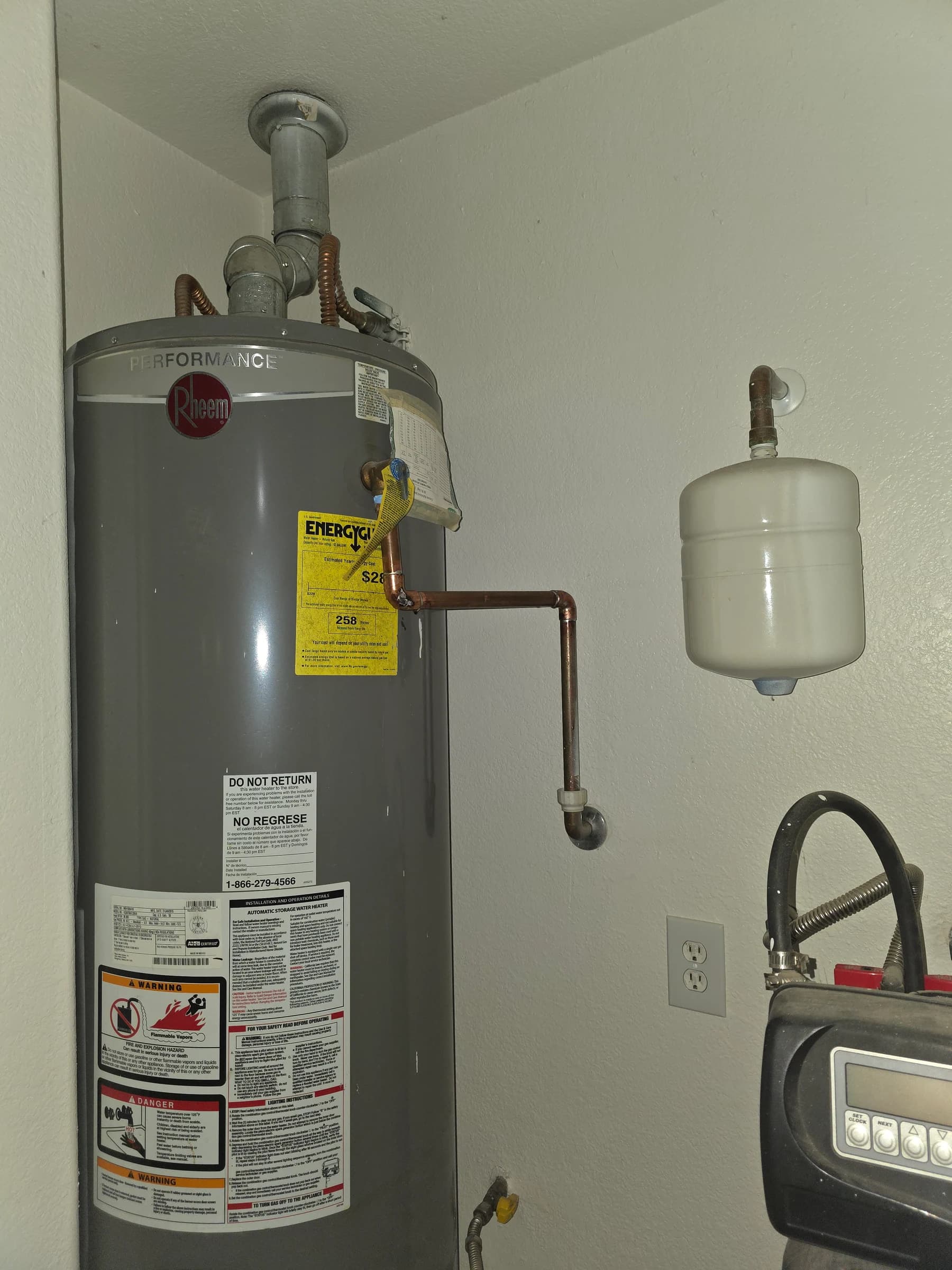
Nobody calls a plumber about a water heater on a good day. It’s usually a cold shower, or a puddle spreading across the garage floor, and the question underneath “how much is this going to be” is really “am I about to get taken advantage of.”
So here are our numbers. They are the same ones in the book the tech carries to your house, and the same ones on our pricing page — all 86 of them.
Tank water heaters, installed
Tankless
Tankless is a bigger job than swapping a tank — gas line sizing, venting, and often a new location on the wall — which is why the complete install sits where it does. It also frees up the floor space a tank was eating, never runs out of hot water, and typically outlives two tanks.
What the price includes
On a tank replacement, all of this is in the number above:
- The water heater itself, delivered and installed
- A new expansion tank
- A new drain pan
- New supply lines and a new shut-off valve
- One-year warranty on parts and workmanship
Expansion tank, pan, and supply lines are the three items most commonly quoted separately after the fact. They are not extras — a replacement isn’t finished without them, so they belong in the price.
What it doesn’t include
Two things. They are also the two most common surprises in this trade, which is exactly why we name them up front.
- Permit. Valley cities set their own fees and their own rules about what needs one. It’s a real cost, and it isn’t in the price above.
- Haul-away of the old heater. A 50-gallon tank full of sediment is heavy, and disposing of it isn’t free.
Everything else is zero. No trip fee, no after-hours charge, and no charge for the estimate — including at 9pm on a Sunday.
Why the range is so wide
- Capacity. A 40-gallon tank suits a couple or a small family. If you have teenagers and two bathrooms, 50 is the honest answer and 75 is not overkill.
- Fuel. Gas heats faster and recovers faster; electric is simpler and cheaper to install. Whatever you have now is usually what you’re keeping — converting is a much bigger job.
- Where it lives. A heater in an open garage is a straightforward swap. One wedged in an interior closet, or up in an attic, is not, and the price reflects the work rather than the appliance.
When a repair is the right answer
Not every dead water heater needs replacing, and we will tell you when it doesn’t. Electric units fail at the elements and the thermostat far more often than the tank itself gives out.
The dividing line is simple. If it’s leaking from the body of the tank, it’s finished — no repair fixes rusted-through steel. If it’s wet at a fitting on top, that’s usually a connection, not the tank, and it’s a fraction of the cost.
How long yours has got
A tank heater is generally rated for around a decade. In Phoenix, plenty don’t get there, and hard water is why — see why water heaters die early in Phoenix for what actually happens inside the tank and the two maintenance items that push it back the other way.
Getting a number for your house
Estimates are free and there’s no trip fee, so having us look costs nothing. Book a visit online, or read the full water heater page first if you’d rather know what you’re getting into.